
Shiva Trust's
Shivajirao Pawar Ayurvedic Medical College & Research Center
Pachegaon Road, Pachegaon, Maharashtra 413725
MUHS Code: 123124 | NCISM Code: 0721
Sanskrit Samhita & Siddhanta
Delving into the classical Sanskrit scriptures and basic doctrines of Ayurveda to preserve and teach the eternal wisdom of health and healing.
Foundations of Ayurveda
Ayurveda represents the ancient Indian art of healing. In it, the human body is not considered just as a mass of organs, systems and tissues; but the complex mechanism of myriad functions taking place, both at physical and mental level, are evaluated and described. In existence for thousands of years now, the basic principle of Ayurveda has managed to remain the same.
The human body is more complex than any other form of life as on date. Purusha – the human body is the aggregate of 25 elements, together with Atma – the spirit or soul. In order to explain the functional complexity of human body, Ayurveda has propounded a few basic doctrines.
The Basic Doctrines
These doctrines visualize the functional units of the body to be formed by elements in perfect equilibrium:
Three Doshas
Humours that govern physiological and psychological functions (Vata, Pitta, Kapha)
Seven Dhatus
Tissues that sustain and support the physical structure of the human body
Malas
Metabolic end products and waste items that must remain in balanced excretion
Schools and Ancient Scriptures
All Ayurvedic studies conducted on herbal and holistic medicine, in ancient India, were followed from the fountainhead of the two principle Ayurvedic schools:
School of Physicians (Atreya)
Emphasized internal medicine, pathology, diagnostics, and therapeutics.
School of Surgeons (Dhanvantari)
Pioneered surgical methods, instrumentation, and critical care procedures.
These schools epitomized the eight main areas of Ayurvedic studies and specialization during ancient times. The details of these eight branches of this natural alternative medicine are present in the three ancient Ayurvedic texts (together known as the Brihat Trayi):
Department Gallery
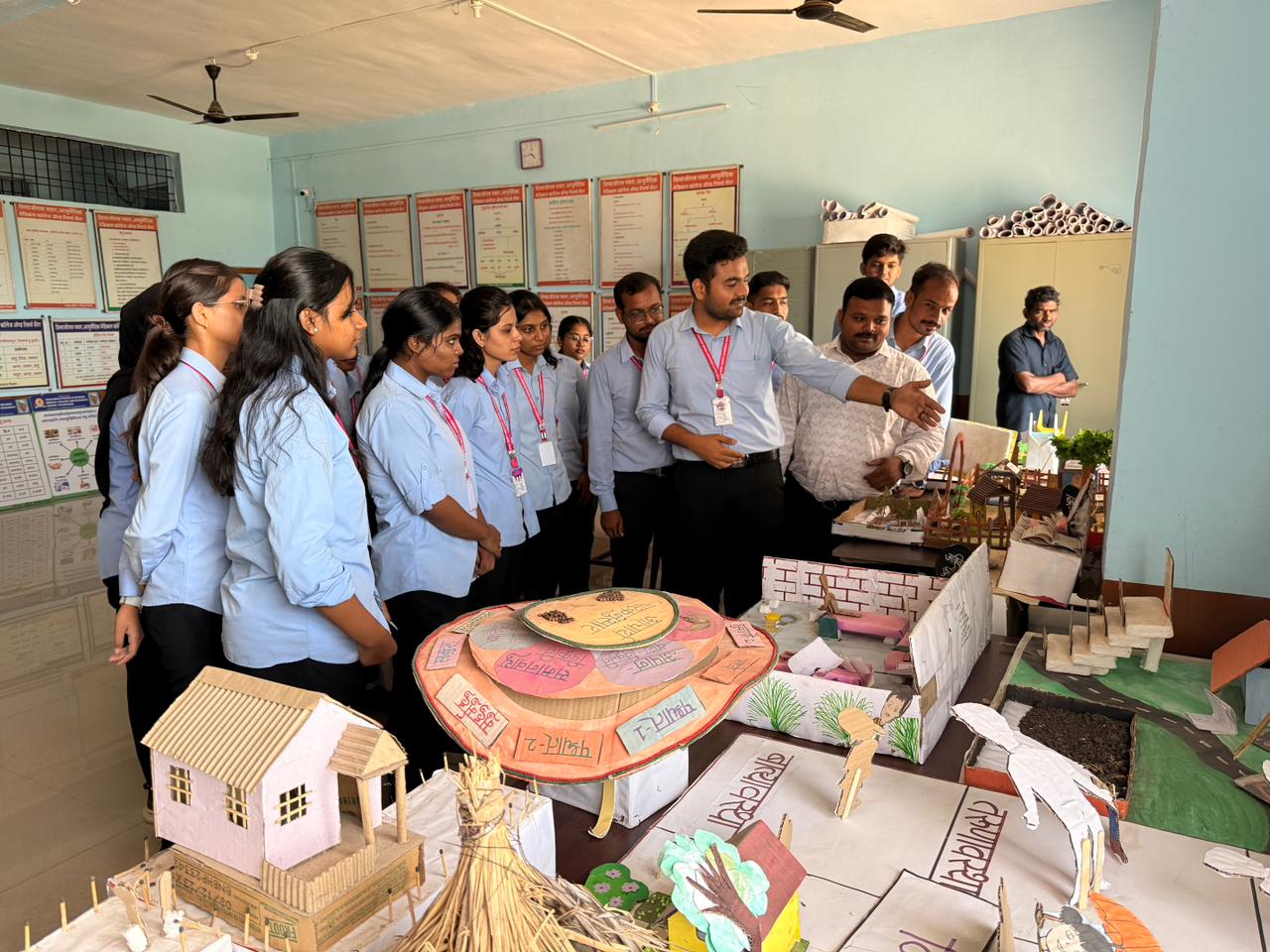
Classical Literature Study & Reference Section
Students researching basic doctrines from Vedic scriptures
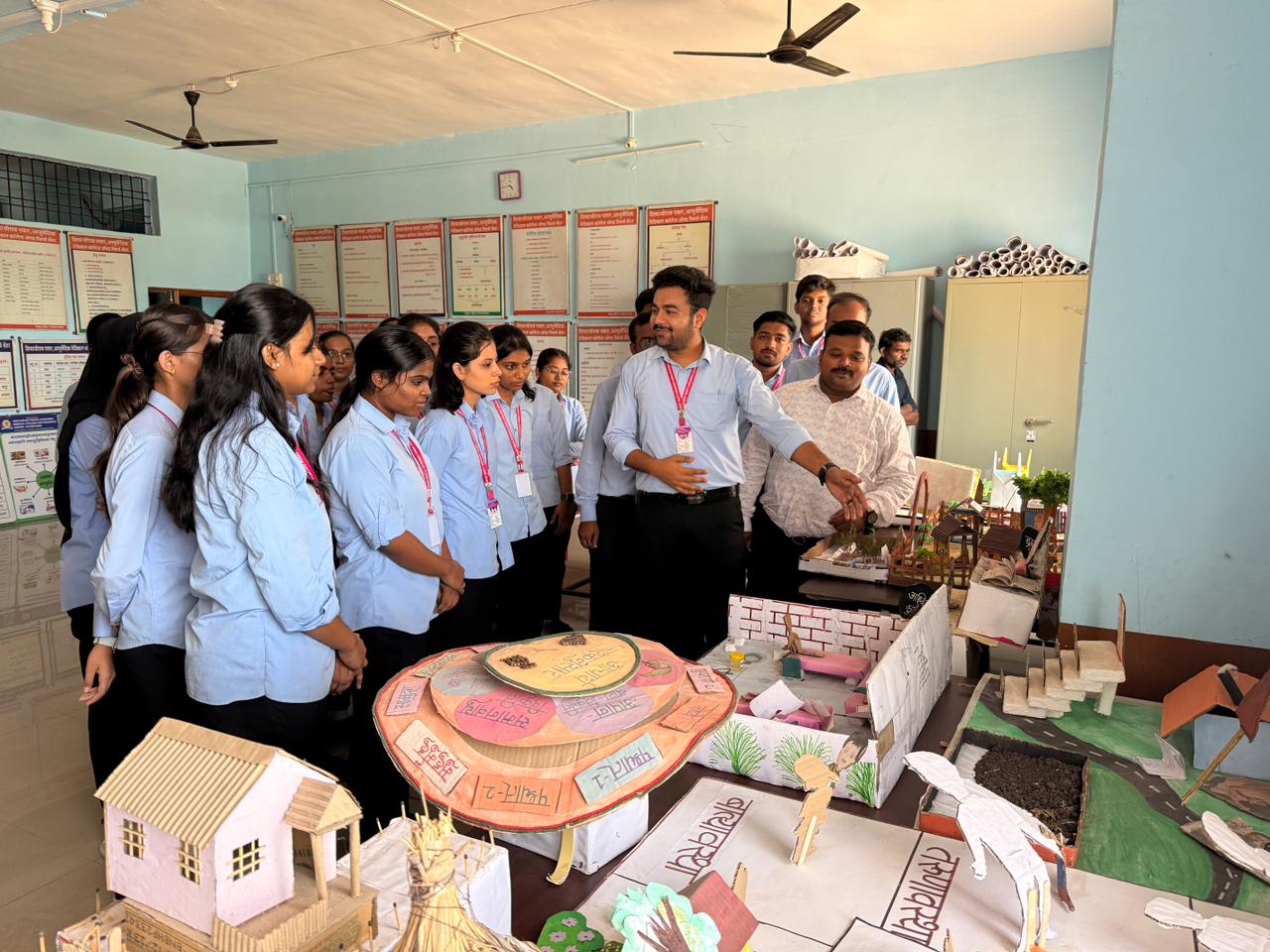
Sanskrit Language & Samhita Laboratory
Scholarly analysis of ancient Charaka & Susruta transcripts
Key Learnings & Focus
- Learning Sanskrit Grammar & Pronunciation
- Critical analysis of Charaka & Susruta Samhita
- Applying Basic Doctrines to Clinical Diagnosis
- Exploring Spiritual and Soul-level Health (Atma)
- Comprehensive study of herbal drug formulations